


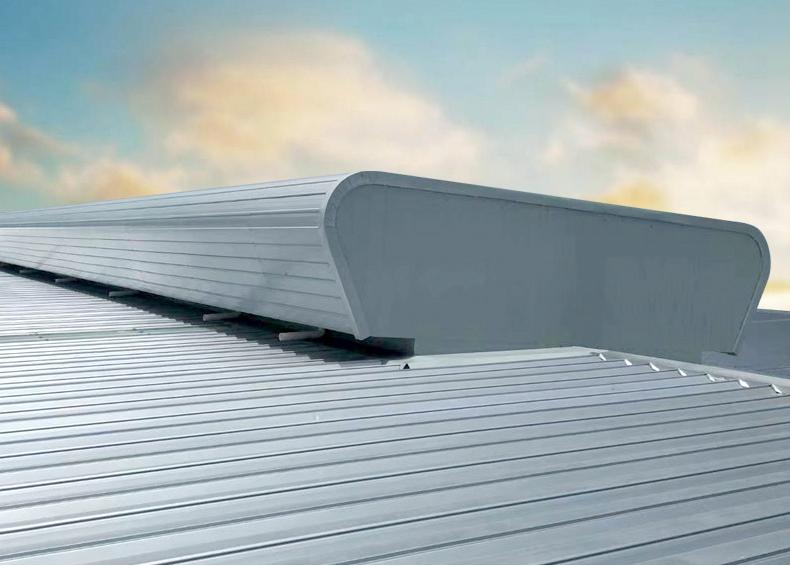
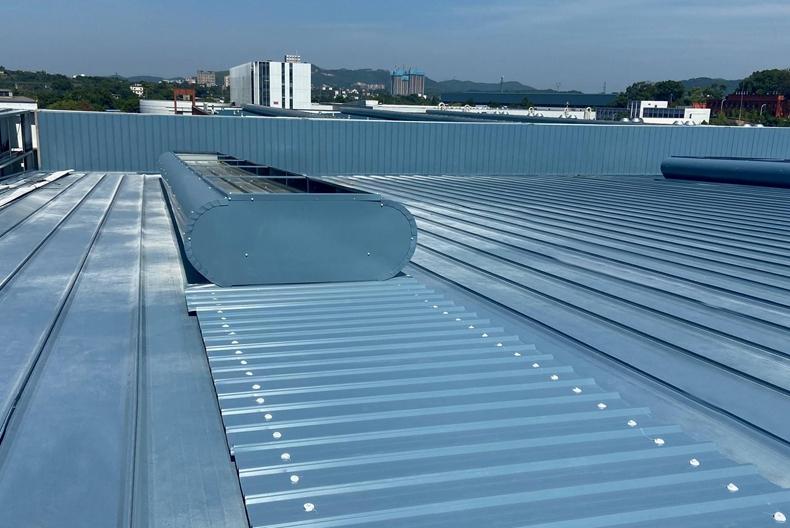
Ventilation dome with curved natural daylighting TC5A skylight for heavy steel structure workshop
Other Products


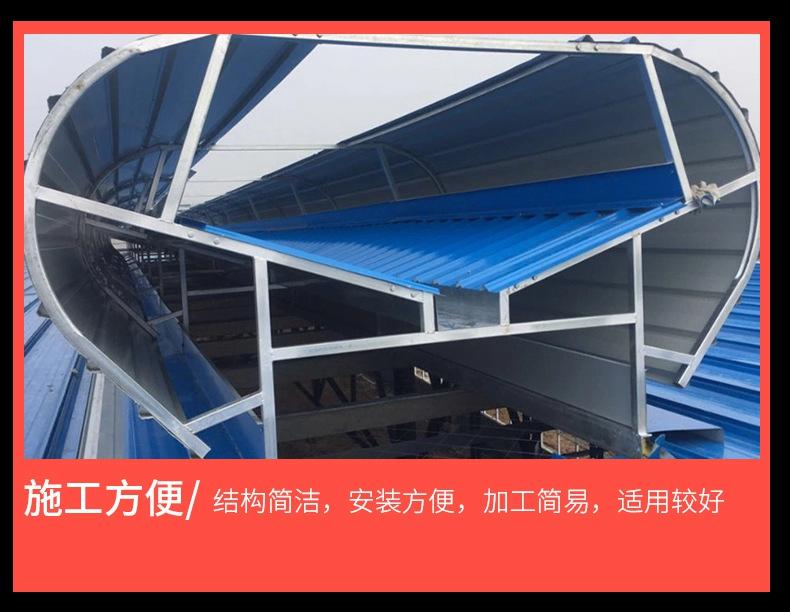
Thin skylights not only possess the general functions of ventilation skylights but also have unique properties. Firstly, thin skylights are not very tall, offering excellent wind resistance, making them highly practical in typhoon-prone areas. The unique internal structure of thin skylights effectively prevents backdraft.
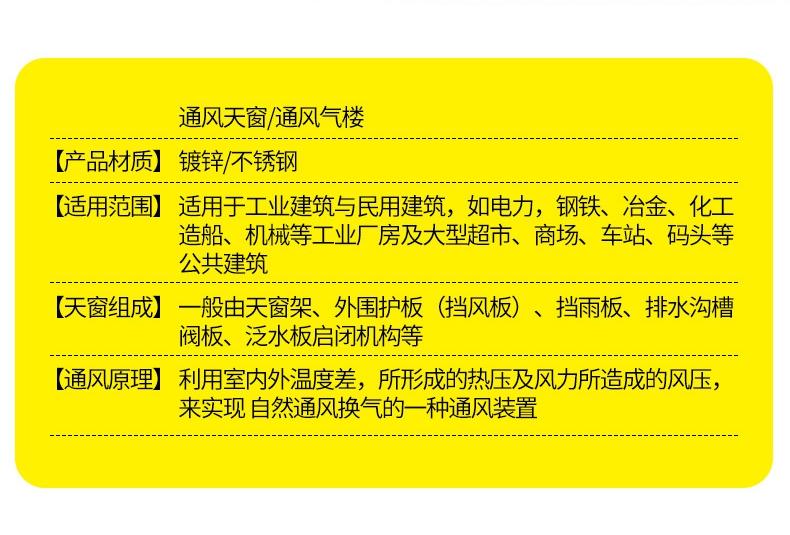
The layout of ventilation skylights on roofs is divided into horizontal and vertical types, which in professional terms are referred to as ridge skylights and slope skylights. Ventilation methods are categorized into natural open type and electric open-close type. The natural open type, commonly known as direct exhaust skylights, allows indoor heat, stale air, smoke, and dust to be directly discharged outdoors through the skylight opening.
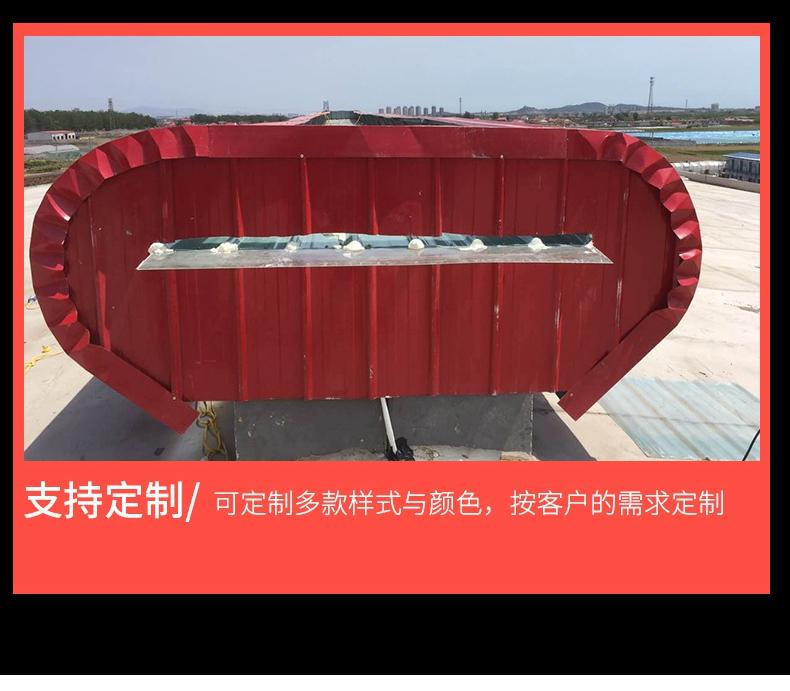
Ventilation skylights can be classified in three ways. Based on appearance, they can be divided into streamlined ventilation skylights and thin ventilation skylights. The former has an aesthetically pleasing appearance, high ventilation efficiency, and excellent ventilation performance, while the latter has a compact structure, low height, low wind resistance, and good wind resistance performance.
With increasingly stringent environmental requirements, direct exhaust skylights are no longer recognized or accepted by environmental protection departments. This necessitates continuous technological innovation in products to meet practical needs. Skylights that achieve dust absorption and purification through carbon adsorption before emission are the future mainstream trend. It is believed that future skylights will be more intelligent and environmentally friendly.
Ventilation and daylighting skylights are high in strength and lightweight. The density of hot-dip galvanized steel pipes is about 2.70, compared to the density of steel at 7.85. This reduces the load capacity of the indoor workshop floor, making it relatively easier to optimize the foundation, significantly saving on structural steel usage, conserving material resources, avoiding unnecessary waste, and reducing cost consumption.
Ventilation skylights utilize the convection of air caused by natural wind and indoor temperature differences to drive turbine rotation, leveraging centrifugal force and negative pressure effects to expel stale indoor air and draw in fresh air without backflow, achieving automatic circulation 365 days a year.
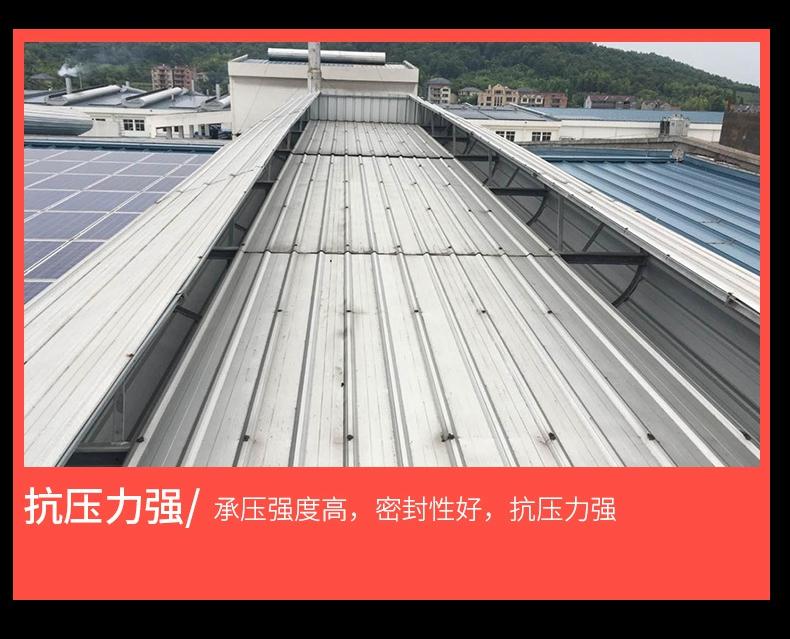
Ridge ventilation skylights are located at the ridge of the roof. According to the principles of airflow movement, skylights in this position effectively and timely expel indoor heat, smoke, and dust, making them suitable for large-scale structural buildings.
The national standard atlas defines smoke exhaust skylights primarily for daylighting, with smoke exhaust as a secondary function. To avoid damage to skylights and loss of indoor property in factories due to untimely closure, smoke exhaust skylights need to have fire alarm linkage functionality and be equipped with auxiliary monitoring tools such as rain sensors, wind sensors, and smoke sensors to ensure automatic opening and closing of smoke exhaust skylights under windy and rainy conditions.



| Industry Category | Machinery & Equipment/Fans & Ventilation Equipment/Air Curtains |
|---|---|
| Product Category | |
| Brand: | 永业 |
| Spec: | 通风天窗 |
| Stock: | 99999 |
| Manufacturer: | 聊城市永业通风设备有限公司 |
| Origin: | 113715 |


